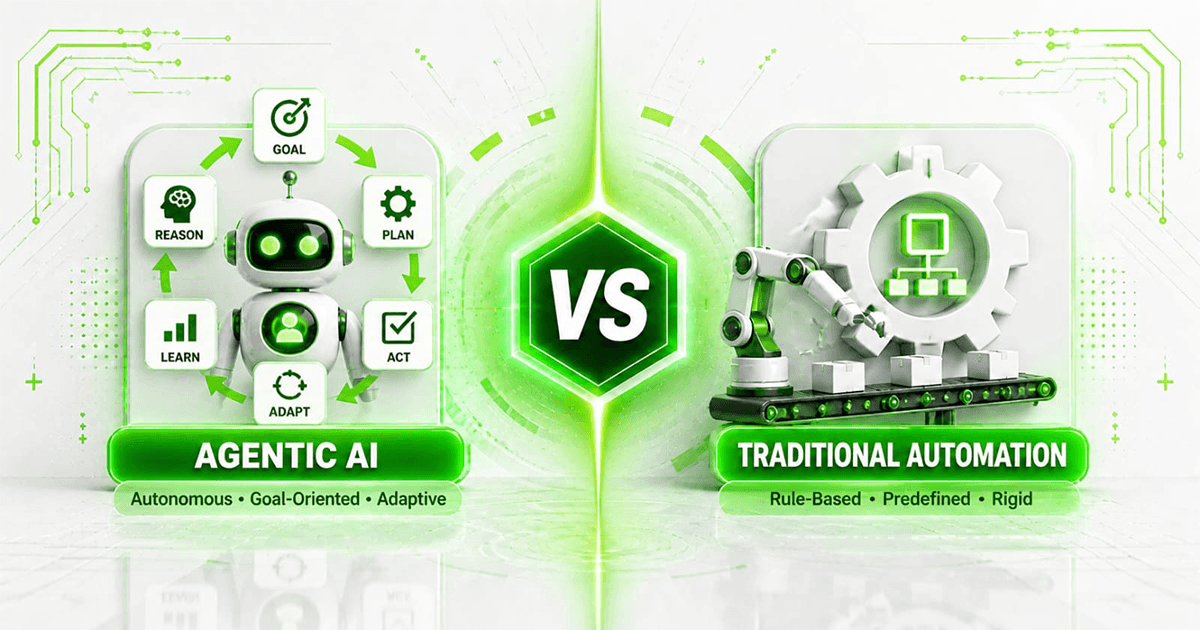
Insurance brokers play an important role in helping individuals and businesses understand their insurance requirements, compare available policies and manage their coverage. Behind these services, brokerage firms handle a considerable amount of administrative work, including client onboarding, document collection, policy renewals, customer enquiries and ongoing communication.
As an insurance brokerage grows, managing these activities manually can become increasingly difficult. Employees may need to collect information from emails, update customer records, review policy documents and follow up with clients across different communication channels.
These repetitive tasks can take valuable time away from client relationships and business development.
This is where insurance broker automation in Australia can make a difference.
By combining AI-powered tools with workflow automation, insurance brokers can improve administrative processes, organise client information and reduce unnecessary manual work.
In this guide, we explore seven practical ways Australian insurance brokers can use automation, how these systems work and what to consider before implementing them.
Why Australian Insurance Brokers Need Workflow Automation
Insurance brokerage operations involve several interconnected processes.
When a new client approaches a broker, the business may need to collect personal or business information, understand insurance requirements, request supporting documents and prepare information for policy comparisons.
The process continues after a policy is arranged. Brokers may need to monitor renewal dates, communicate changes, collect updated information and maintain accurate records.
When these activities are managed manually, common challenges include:
- Repeated data entry across different applications.
- Delays in collecting client documents.
- Difficulty tracking policy renewal dates.
- Time-consuming email communication.
- Disorganised customer information.
- Manual preparation of administrative reports.
- Increased workload during busy renewal periods.
Workflow automation can connect these activities and create a more structured process.
Rather than replacing the broker, automation helps reduce repetitive administrative responsibilities so professionals can spend more time understanding client requirements and providing appropriate service.
7 Ways Australian Insurance Brokers Can Use AI Automation
1. Automated Client Onboarding
Client onboarding is one of the first important stages of an insurance brokerage relationship.
When a new customer contacts a broker, the team may need to collect contact information, understand the type of insurance required and request supporting documents.
Managing this process through emails and spreadsheets can create delays.
An automated onboarding workflow can help organise the process from the beginning.
For example, when a potential client completes an enquiry form, the system can:
- Collect the submitted information.
- Create a preliminary customer record.
- Categorise the enquiry by insurance type.
- Identify missing information.
- Assign the enquiry to an appropriate broker.
- Send an acknowledgement email.
- Create follow-up reminders.
AI can also help summarise longer customer enquiries so brokers can quickly understand the general requirements.
This makes the onboarding process more organised and reduces repetitive administrative work.
However, automated systems should not independently determine a customer's insurance suitability or make recommendations without appropriate professional assessment.
2. Insurance Document Processing
Insurance brokers regularly work with policy documents, application forms, certificates, invoices, renewal notices and supporting business information.
Extracting information from these documents manually can consume considerable time.
AI-powered document processing can help convert unstructured documents into organised information.
A document automation workflow may:
- Identify different document types.
- Extract customer and policy details.
- Recognise policy numbers and relevant dates.
- Organise documents into customer records.
- Identify missing information.
- Flag documents requiring further review.
- Notify employees when an action is needed.
For example, when a client submits an updated business insurance document, an AI-assisted system can extract relevant details and prepare a summary for the broker.
The broker can then verify the information before updating the official customer record.
This helps reduce manual data entry and makes document management more efficient.
3. Automated Policy Renewal Reminders
Policy renewals are an important part of insurance brokerage operations.
Brokers need to monitor renewal dates, contact clients, request updated information and coordinate the next steps.
When renewal information is maintained across multiple spreadsheets or applications, important follow-ups can be overlooked.
Automation can improve this process by connecting policy records with communication and task management systems.
A typical workflow can:
- Monitor recorded policy expiry dates.
- Identify upcoming renewals.
- Create reminders for the responsible broker.
- Prepare a client notification.
- Record communication activity.
- Create follow-up tasks.
- Track renewal progress.
For example, when a policy is approaching its renewal date, the system can notify the responsible broker and prepare an email requesting updated information.
The broker can review the message and send it to the client.
This creates a more consistent renewal process and helps teams manage their workload.
4. Automated Customer Communication
Insurance brokers communicate with clients throughout the policy lifecycle.
Customers may request policy information, ask about renewal requirements, submit documents or enquire about changes to their coverage.
Responding to every routine enquiry manually can become challenging.
AI-powered communication systems can help organise incoming messages and prepare suitable responses.
Possible applications include:
- Categorising incoming enquiries.
- Identifying policy-related questions.
- Preparing draft email responses.
- Directing complex enquiries to brokers.
- Sending approved document reminders.
- Creating follow-up notifications.
- Summarising previous conversations.
For example, when a customer asks about a renewal document, the system can identify the nature of the request and direct it to the appropriate employee.
AI can also prepare a draft response using approved business information.
However, questions involving policy interpretation, coverage, claims or financial recommendations should be handled by appropriately authorised professionals.
5. CRM and Insurance System Integration
Customer information is often stored across multiple platforms.
An insurance brokerage may use a CRM for customer relationships, accounting software for financial records, document management applications for files and specialist platforms for policy administration.
When these systems operate separately, employees may need to update the same information more than once.
CRM automation can help connect these applications.
For example:
- New customer records can be transferred into the CRM.
- Approved customer details can be synchronised.
- Documents can be associated with relevant records.
- Renewal tasks can be created automatically.
- Communication history can be organised.
- Employees can receive updates when important information changes.
This creates a more connected business environment.
Before implementing an integration, brokers should identify which application is the official source of truth for each type of information. This prevents conflicting updates and duplicate records.
6. Claims Administration and Document Coordination
Claims-related communication can involve significant administrative coordination.
Customers may submit supporting documents, request updates and communicate with the brokerage while their claims are being handled by an insurer.
Although the insurer generally manages the assessment and settlement process, brokers may still need to organise customer communication and supporting information.
Automation can assist with administrative coordination by:
- Collecting submitted documents.
- Organising information by customer and claim reference.
- Identifying missing supporting files.
- Recording communication history.
- Preparing status summaries.
- Creating follow-up reminders.
- Notifying the responsible broker about pending tasks.
For example, when a client submits a new supporting document, an automated workflow can associate it with the relevant record and notify the responsible employee.
This reduces the need to search through multiple email conversations.
AI should not determine claim acceptance, coverage or settlement outcomes. Those decisions belong to the relevant authorised parties.
7. Automated Reporting and Business Performance Monitoring
Insurance brokerage managers need visibility into business operations.
They may want to understand how many enquiries are being received, which policies are approaching renewal and how many onboarding tasks remain incomplete.
Preparing these reports manually can be time-consuming.
Automation can collect information from connected business systems and prepare structured summaries.
Useful reporting areas include:
- New client enquiries.
- Pending onboarding tasks.
- Upcoming policy renewals.
- Outstanding document requests.
- Customer communication activity.
- Broker workload.
- Administrative processing times.
AI can also help summarise operational data into readable reports.
Managers can use these insights to identify delays, improve internal processes and allocate resources more effectively.
Important financial and operational figures should always be verified against the original records.
AI Automation vs Traditional Insurance Brokerage Software
Traditional insurance brokerage software helps businesses manage customers, policies, documents and daily administrative activities.
AI automation can extend these capabilities by helping systems process information and coordinate tasks across different applications.
| Traditional Software | AI Automation |
|---|---|
| Stores customer records | Helps organise incoming client information |
| Maintains policy details | Supports renewal reminders |
| Stores insurance documents | Extracts and categorises document information |
| Records communication history | Summarises customer conversations |
| Tracks administrative tasks | Helps assign and monitor follow-ups |
These technologies can work together.
An insurance brokerage does not necessarily need to replace its existing software to introduce automation. In many cases, integrating existing applications can provide a more practical solution.
How to Implement AI Automation in an Insurance Brokerage
Introducing automation does not need to involve changing every business process at once.
A gradual approach allows insurance brokers to understand the benefits and identify potential problems before expanding the system.
Step 1: Identify Repetitive Administrative Tasks
Review everyday brokerage activities and identify processes that require repeated data entry, document handling or follow-ups.
Start with tasks that consume significant staff time and follow a consistent process.
Step 2: Review Existing Software
Identify the CRM, accounting, policy administration and document management applications currently used by the brokerage.
Check whether these platforms support APIs, integrations or approved automation connections.
Step 3: Design the Workflow
Map the complete process and identify the information required at each stage.
Define which actions can happen automatically, which require approval and how incomplete or conflicting information should be handled.
Step 4: Test the Automation
Use realistic examples to test document extraction, record updates, notifications and workflow routing.
Check whether the system handles missing information correctly.
Step 5: Train Employees
Employees should understand how the automation works, when they need to review information and how to report errors.
Step 6: Monitor and Improve
Monitor processing times, errors, incomplete tasks and employee feedback.
Review the workflow regularly and update it when business requirements or software systems change.
Privacy, Security and Compliance Considerations
Insurance brokers may handle sensitive customer information, financial details, business records and other confidential documents.
Therefore, privacy and security should be considered before introducing AI automation.
Important practices include:
- Use secure software integrations.
- Restrict access to confidential customer information.
- Review third-party AI service providers.
- Apply appropriate authentication controls.
- Maintain clear data retention policies.
- Keep records of important automated activities.
- Require human approval for sensitive decisions.
Australian insurance brokers should also consider applicable privacy and regulatory obligations.
Useful resources include:
Businesses should ensure that automated workflows operate within relevant privacy, licensing and professional requirements.
How Mintodes Helps Businesses With AI Automation
At Mintodes, we help businesses identify operational challenges and develop practical AI-powered solutions that reduce repetitive work and improve business processes.
For insurance brokerage firms, automation opportunities may include client onboarding, document processing, CRM integrations, policy renewal reminders and administrative workflow management.
Our approach focuses on understanding existing systems and business requirements before recommending a solution.
Depending on operational needs, we can help with:
- AI-powered workflow automation.
- Custom AI agent development.
- Document processing solutions.
- CRM and business software integrations.
- Custom AI application development.
Explore our AI automation services at Mintodes to learn how automation can support your business.
You can also explore our AI agent development services for solutions that process information and coordinate approved tasks across connected applications.
Frequently Asked Questions
1. What is insurance broker automation?
Insurance broker automation involves using software integrations, workflow automation and AI-powered tools to manage repetitive brokerage activities such as client onboarding, document processing, policy renewal reminders and customer communication.
2. How can AI help insurance brokers in Australia?
AI can help brokers organise customer enquiries, extract information from documents, prepare communication summaries and manage administrative workflows more efficiently.
3. Can insurance brokers automate policy renewals?
Yes. Brokers can use automated workflows to monitor recorded expiry dates, create reminders, prepare customer notifications and track renewal follow-ups.
4. Can AI process insurance documents?
AI-powered document processing can extract information, classify documents and identify missing fields. Important information should be checked by an authorised employee before being added to official records.
5. Does automation replace insurance brokers?
No. Automation supports administrative activities, while brokers remain responsible for professional judgement, client relationships and appropriate insurance advice.
6. Can automation integrate with existing brokerage software?
Yes, where suitable APIs, connectors or other approved integration methods are available. The implementation depends on the existing software and its technical capabilities.
7. Is AI automation suitable for small insurance brokerages?
Yes. Smaller brokerages can start with simple workflows such as automated client enquiries, document organisation and renewal reminders before introducing more advanced integrations.
Final Thoughts
AI automation is creating practical opportunities for Australian insurance brokers to improve administrative efficiency and manage growing workloads.
From client onboarding and document processing to policy renewal reminders and CRM integrations, automation can help reduce repetitive work and make everyday brokerage operations more organised.
The best approach is to start with processes that consume significant time and introduce technology that works with existing business systems.
With appropriate security controls, reliable integrations and human oversight, insurance broker automation can support better business operations while allowing professionals to focus on their clients.
Looking to improve your brokerage operations? Contact Mintodes to discuss how AI automation and custom workflow solutions can help your business work more efficiently.