A healthcare clinic can have a fully booked appointment calendar and still experience an unproductive day.
A patient might forget their appointment. Another may cancel at the last minute. Someone else may arrive without completing the required forms, while the reception team spends valuable time calling patients to confirm upcoming visits.
These situations are familiar to many healthcare practices. Although each incident may seem relatively small, together they can create scheduling pressure, administrative delays and unused appointment capacity.
For Australian healthcare clinics, the challenge is not simply finding more patients. It is managing existing appointments and administrative processes more effectively.
This is where AI-powered appointment management can offer practical support.
Rather than relying entirely on reception staff to manage reminders, cancellations and patient communication manually, clinics can introduce connected workflows that handle routine administrative activities while keeping employees involved in important decisions.
The result is a more organised scheduling process, better visibility into appointment activity and potentially less time spent on repetitive administration.
Why a Full Appointment Calendar Does Not Always Mean an Efficient Clinic
Consider a physiotherapy clinic with several practitioners and a busy weekly schedule.
Appointments are booked days or weeks in advance. Reception staff manage phone calls, online enquiries, cancellations and patient records.
On paper, the clinic appears busy.
However, some patients do not attend their appointments. Others cancel shortly before their scheduled time. Reception staff must then contact people on a waiting list, check practitioner availability and update the calendar.
The difficulty is that these activities often happen under time pressure.
A cancelled appointment is not automatically an available opportunity. Someone must notice the cancellation, identify a suitable replacement and communicate with the patient.
When the process is manual, an appointment slot may remain unused simply because the clinic cannot coordinate everything quickly enough.
Automation can help connect these activities.
Instead of treating bookings, reminders and cancellations as separate tasks, a clinic can create one connected administrative workflow.
Rethinking the Appointment Journey
The patient appointment journey starts well before someone enters the clinic.
It may begin with an online enquiry, a phone call or a referral. The clinic then needs to collect relevant information, find an appropriate appointment time and communicate the booking details.
After the appointment is scheduled, further administrative work may be required.
Patients may need reminders, preparation instructions or forms. Staff may need to verify information and prepare the relevant appointment records.
After the consultation, another set of administrative activities may follow.
AI and workflow automation can support different stages of this journey without taking responsibility away from healthcare professionals.
Before the appointment: Making bookings easier to manage
When patients request appointments through different channels, reception staff may need to transfer information into the clinic's booking system.
This creates opportunities for duplicate data entry and inconsistent records.
A connected booking workflow can collect information from supported forms or booking applications and prepare it for the clinic's scheduling system.
Depending on the system, automation may help:
- Capture appointment requests.
- Identify the requested service.
- Record preferred appointment times.
- Route enquiries to the appropriate reception team.
- Send booking confirmations.
- Identify missing administrative information.
AI can also help classify general enquiries so that staff can respond more efficiently.
For example, a message requesting a physiotherapy appointment can be directed to the appropriate booking process rather than remaining in a general inbox.
The actual appointment should still be confirmed according to the clinic's availability and professional requirements.
Before the visit: Reminders that reduce administrative pressure
Appointment reminders are a simple but important part of clinic administration.
Without a consistent reminder process, reception employees may need to contact patients individually.
An automated reminder workflow can use the clinic's approved scheduling information to send notifications at predefined intervals.
These messages may include:
- Appointment date and time.
- Clinic location.
- Relevant arrival instructions.
- Contact information for changes.
- A secure option to confirm or request cancellation.
A patient who cannot attend can be directed to the appropriate cancellation process.
This gives the clinic an opportunity to manage the released appointment slot.
Clinics should consider patient communication preferences and applicable privacy requirements when deciding how reminders are sent and what information they contain.
When someone cancels: Turning an empty slot into an opportunity
Last-minute cancellations can be particularly frustrating for healthcare practices.
A practitioner may have time available, but finding another suitable patient can be difficult.
A waiting-list workflow can help make this process more organised.
When a cancellation is recorded, the system can identify patients who have expressed interest in an earlier appointment.
It may then prepare a notification for suitable patients, based on clinic-defined availability rules.
For example, a patient who requested an earlier physiotherapy appointment may receive a message informing them that a suitable time has become available.
The patient can respond through an approved booking process, while reception staff retain control over confirmation.
This approach can help clinics use their appointment capacity more effectively.
It is important that automated systems do not independently prioritise patients based on clinical urgency. Clinical triage and decisions about treatment priority must remain with appropriately qualified healthcare professionals.
What AI Adds Beyond Ordinary Appointment Reminders
Basic appointment reminders have existed for years.
The difference with more advanced AI-assisted workflows is the ability to process information and coordinate several related administrative activities.
For example, an ordinary reminder system might send a message before an appointment.
A connected workflow could also:
- Record whether the reminder was delivered.
- Process a patient's cancellation request.
- Notify reception about a released appointment.
- Identify a suitable waiting-list process.
- Create a follow-up task.
- Update administrative records after confirmation.
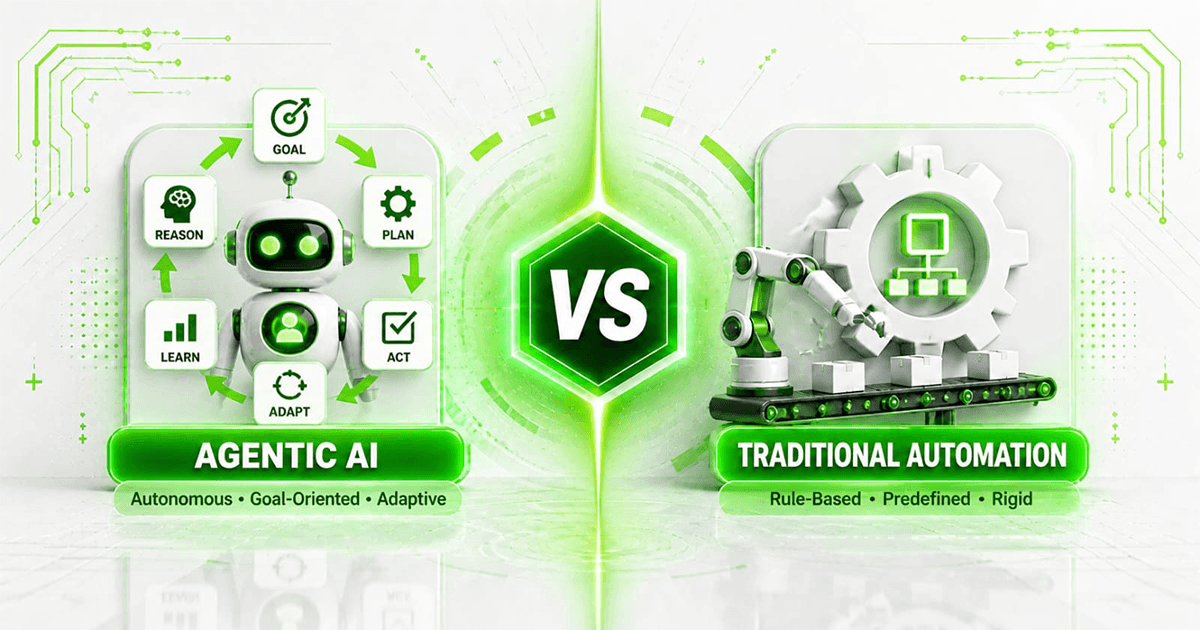
AI may help classify incoming messages and summarise communication, while ordinary workflow automation handles predefined actions.
This distinction matters.
Not every process needs artificial intelligence. A simple rule-based workflow may be more reliable and cost-effective for routine reminders.
AI is most useful when the system needs to interpret unstructured information, such as an incoming message written in natural language.
A well-designed clinic system combines both approaches instead of using AI for every task.
The Reception Team Should Spend Less Time Chasing Information
Reception staff are often the central point of communication between patients and healthcare professionals.
They manage appointment enquiries, cancellations, patient forms, phone calls and administrative requests.
When several communication channels are involved, information can easily become scattered.
Imagine a patient sending an email to change an appointment, followed by a phone call to confirm the new time.
If these interactions are recorded separately, employees may need to search multiple systems to understand the latest arrangement.
AI-assisted communication management can help organise these interactions.
An incoming message can be classified as a booking enquiry, cancellation request, general administrative question or request requiring staff attention.
The system may also prepare a summary of a longer conversation.
This helps employees understand the request without reading every message from the beginning.
However, clinical questions, symptoms, medication enquiries and treatment-related concerns should be routed through appropriate clinical channels rather than answered automatically by a general administrative assistant.
Preparing Patients Before They Arrive
A scheduled appointment does not always mean the clinic has received everything it needs.
Patients may need to complete registration forms, provide referral information or submit relevant administrative documents.
If these requirements are handled manually, reception staff may need to follow up repeatedly.
An automated pre-appointment workflow can send approved forms and instructions after a booking is confirmed.
It can also record whether the required administrative information has been submitted.
For example, an allied health practice may ask new patients to complete an intake form before their first visit.
The system can send the form through an approved secure channel and notify the reception team when the submission is complete.
This makes it easier to identify incomplete administrative requirements before the patient arrives.
Sensitive health information should be collected and stored through suitable secure systems, with access restricted to authorised people.
A More Connected View of Clinic Operations
Appointment management is closely connected to other administrative systems.
A clinic may use separate applications for scheduling, patient records, billing, communication and document storage.
If these systems do not exchange information properly, employees may need to update the same details several times.
Integrations can help reduce this problem.
For example, a confirmed booking in a supported scheduling application may trigger an approved administrative task or update a connected communication workflow.
The important requirement is that the integration preserves the clinic's existing controls.
Patient records should not be changed by an unverified automation process, and the scheduling platform should remain the authoritative source for appointment availability.
A connected system can improve coordination without requiring a clinic to replace every application it already uses.
Measuring the Results: What Should a Clinic Actually Track?
An AI implementation should not be considered successful simply because a clinic has introduced a chatbot or automated reminder system.
The clinic should measure whether the process has improved.
One useful starting point is appointment attendance.
A practice can compare missed appointment rates before and after introducing a consistent reminder workflow, while accounting for differences in patient groups and appointment types.
Other useful measurements include:
- Appointment utilisation: How much of the available appointment capacity is actually used?
- Cancellation recovery: How often can released appointment slots be offered to another suitable patient?
- Administrative workload: How much staff time is spent sending reminders, processing cancellations and managing follow-ups?
- Patient communication: Are patients receiving booking information and updates consistently?
- Incomplete forms: Are fewer appointments delayed because required administrative information has not been collected?
- Staff experience: Do reception employees feel that repetitive tasks have become easier to manage?
These measurements help clinics understand where automation is delivering value and where the process needs improvement.
Privacy Must Be Part of the Design, Not an Afterthought
Healthcare businesses handle information that requires careful protection.
Depending on the service, clinic systems may contain patient contact details, medical histories, appointment information, referral documents and other sensitive records.
Before introducing AI automation, clinics should assess how information is collected, stored, transferred and accessed.
Particular attention should be given to:
- Access controls for patient information.
- Secure communication channels.
- Third-party technology providers.
- Data retention and deletion practices.
- Audit records for automated actions.
- Staff access permissions.
- Appropriate patient communication practices.
Australian healthcare providers should review the privacy requirements that apply to their operations, including relevant state or territory requirements and the Australian Privacy Principles where applicable.
Useful resources include:
- Office of the Australian Information Commissioner for Australian privacy guidance.
- Australian Digital Health Agency for digital health information and resources.
AI systems should not be given unrestricted access to patient records simply because an integration is technically possible.
Clinics should also establish clear rules about which information may be processed by third-party AI services.
Where Should a Healthcare Clinic Start?
A clinic does not need to automate its entire administration department at once.
The most practical starting point is often a repetitive process that creates a visible workload.
For one practice, this might be appointment reminders. For another, it could be cancellation handling or collecting new patient forms.
Before choosing a solution, the clinic should document its current process.
How does an appointment get booked? Who sends the confirmation? What happens when a patient cancels? Where is the updated information recorded?
Once the workflow is understood, the clinic can identify which steps are suitable for automation.
A small pilot can then be introduced using a limited group of appointments or administrative tasks.
Staff feedback should be collected during testing, and any issues should be corrected before the workflow is expanded.
This approach is usually more practical than introducing a complicated system without first understanding the clinic's actual needs.
How Mintodes Can Support Healthcare Administration Automation
At Mintodes, we help businesses identify repetitive operational activities and develop AI-powered solutions that improve everyday workflows.
For healthcare clinics, suitable automation projects may involve appointment administration, patient communication workflows, document processing and integrations between supported business applications.
The focus is on reducing unnecessary administrative work while maintaining appropriate human oversight and information security.
Explore Mintodes AI automation services to learn about workflow solutions for business operations.
You can also explore Mintodes AI agent development for systems that can process information and coordinate approved tasks across connected applications.
Any healthcare implementation should be assessed against the clinic's software requirements, privacy obligations and professional responsibilities.
Frequently Asked Questions
Can AI reduce missed appointments in Australian healthcare clinics?
AI-assisted workflows can support consistent reminders, cancellation handling and waiting-list communication. Their effectiveness depends on patient engagement, clinic processes and the quality of the scheduling system.
Can appointment reminders be automated?
Yes. Clinics can configure approved systems to send reminders based on confirmed appointment records and predefined schedules.
Can AI manage a healthcare clinic's waiting list?
AI-assisted systems can help organise waiting-list information and prepare notifications when appointments become available. Clinical prioritisation should remain under appropriate professional control.
Can AI connect with existing medical booking software?
Integration may be possible where the software provides suitable APIs, connectors or approved integration methods. Compatibility and privacy requirements should be assessed first.
Is AI suitable for small allied health practices?
Yes. Smaller practices may benefit from starting with basic administrative automation, such as appointment reminders, form collection and cancellation notifications.
Should AI answer patient medical questions?
General administrative assistants should not replace qualified healthcare professionals. Clinical questions should be directed to appropriate clinical staff or services.
Is patient information safe when using AI automation?
Safety depends on the technology, configuration, data handling arrangements and access controls. Healthcare providers should assess privacy and security risks before processing patient information through an AI service.
Final Thoughts
A busy healthcare clinic needs more than a full appointment calendar. It needs an organised process for managing bookings, cancellations, patient communication and administrative information.
AI and workflow automation can help connect these activities and reduce the repetitive work that often places pressure on reception teams.
The best starting point is not necessarily a sophisticated AI assistant. It may be a reliable reminder workflow, a better cancellation process or a more organised way to collect patient forms.
By improving these everyday processes, Australian healthcare clinics can build more efficient administrative operations while keeping patient care and professional judgement at the centre of their work.