Imagine telling a property assistant:
"I want a three-bedroom house in Sydney's north-west. Budget around A$1.5 million. I need reasonable access to the CBD, a proper home office and I'd rather have a smaller renovated property than a large place that needs major work."
A normal property search sees filters.
Bedrooms: 3+.
Price: up to A$1.5 million.
Location: selected suburbs.
An AI system can potentially understand something more useful.
The buyer values commute, condition and working space more than maximum floor area.
That does not mean an AI buyers agent can inspect the property, understand every street, assess the feel of a neighbourhood, negotiate under pressure or tell someone whether they should spend A$1.45 million on a particular home.
But it can help with something Australian property buyers know very well:
There is an enormous amount of information to process before you even reach that decision.
That is where AI becomes interesting.
What Is an AI Buyers Agent?
An AI buyers agent is software designed to assist parts of the property-buying process using artificial intelligence.
Depending on the system, it may help a buyer or professional buyer's agent:
- understand property requirements;
- search listings;
- organise potential properties;
- compare properties;
- summarise listing information;
- monitor new listings;
- extract information from documents;
- maintain research notes;
- identify questions requiring investigation; and
- coordinate parts of the buying workflow.
The term should not automatically be interpreted as a complete replacement for a professional buyer's agent.
Buying property involves more than information retrieval.
It can involve negotiation, inspections, local experience, professional advice, due diligence and significant financial and legal decisions.
AI is strongest when it assists the information-heavy parts of that process.
AI Buyers Agent vs a Human Buyers Agent
A professional buyer's agent represents the buyer in a property transaction.
Depending on the engagement and applicable requirements, their work can include understanding the client's brief, searching for properties, inspecting potential purchases, conducting research, communicating with selling agents, helping coordinate due diligence and negotiating or bidding.
An AI system operates differently.
It is software.
It can process large amounts of information quickly, remember structured preferences and perform repetitive research tasks.
It does not physically walk down the street.
It does not notice the smell inside a property.
It does not experience Saturday's open home.
It does not build relationships with local selling agents in the human sense.
It does not carry professional accountability simply because its answer sounds confident.
The more useful model is therefore not necessarily:
AI buyers agent vs human buyers agent.
It is:
AI + experienced human buyer = less time spent processing information.
Why Property Search Is a Good AI Problem
Property requirements rarely fit perfectly into search filters.
A buyer might say:
"We need four bedrooms, but three would work if there is a separate study."
Or:
"We don't mind being farther from the station if the house is already renovated."
Or:
"We'd consider a townhouse, but only if it doesn't feel too enclosed."
Traditional property filters struggle with these preferences because they expect structured choices.
Human requirements are conditional.
They contain trade-offs.
AI models are good at interpreting natural language, which means they can potentially convert a messy buyer brief into structured criteria.
For example:
Essential
- minimum three bedrooms;
- home office or viable study space;
- within budget;
- selected geographic area.
Strong preferences
- renovated;
- reasonable CBD access;
- quiet street.
Flexible
- house or townhouse;
- land size;
- distance from station within defined limits.
That creates a better starting point for search.
1. Turning a Buyer Brief Into Search Criteria
Professional buyers agents spend time understanding what clients actually want.
The first brief is rarely perfect.
A buyer may begin with:
"We want a family home around the Inner West."
That leaves dozens of questions.
What budget?
How many bedrooms?
How important is parking?
Schools?
Transport?
Renovation tolerance?
Outdoor space?
Move-in date?
Investment or owner-occupied?
An AI-assisted intake process can ask structured follow-up questions and turn the answers into a usable buyer profile.
The goal is not to make the final property decision.
It is to reduce the administrative work required to understand the brief.
2. Monitoring New Property Listings
A serious buyer can spend hours repeating the same search.
New listings appear.
Existing listings change.
Some properties are immediately irrelevant.
Others deserve investigation.
Software can monitor approved property sources and compare available information with the buyer's requirements, subject to the relevant platform access and terms.
Instead of reviewing every new listing manually, the buyer or agent could receive a shortlist requiring human review.
For example:
Strong match
3 bedrooms, study, renovated, target suburb, within stated price range.
Possible match
3 bedrooms, no dedicated study shown, otherwise fits major criteria.
Weak match
Good location but outside the buyer's renovation tolerance.
The classification helps prioritise attention.
It should not be treated as an instruction to buy.
3. Comparing Properties Consistently
Property comparisons become difficult surprisingly quickly.
After inspecting eight houses, buyers start mixing them together.
Which one had the north-facing backyard?
Which one had the strata issue?
Which was farther from the station?
Which required bathroom work?
Which contract had a question for the solicitor?
An AI-assisted system can organise verified information into a consistent comparison.
For example:
| Factor | Property A | Property B | Property C |
|---|---|---|---|
| Bedrooms | 3 | 4 | 3 |
| Study | Yes | No | Potential |
| Parking | 1 | 2 | 1 |
| Renovation | Minor | None noted | Significant |
| Buyer concern | Small yard | Longer commute | Renovation cost |
| Next step | Second inspection | Review | Low priority |
The important word is verified.
AI can organise the information.
It should not invent missing property details to make the table complete.
4. Summarising Property Listings
Listings contain a mixture of factual information and marketing language.
A buyer may need to extract:
- bedroom count;
- bathrooms;
- parking;
- property type;
- land size where provided;
- stated features;
- inspection times;
- auction information; and
- other relevant listing details.
AI can turn long descriptions into concise summaries.
It can also separate potential facts from promotional wording.
That saves time, especially when screening a large number of properties.
But the original listing and relevant source documents should remain the source of truth.
A summary is a navigation tool, not evidence.
5. Organising Inspection Notes
Open-home notes are messy.
One buyer types:
"Kitchen good, road louder than expected, second bed small, backyard great, ask about roof."
Another takes photos and writes almost nothing.
A professional buyers agent may inspect multiple properties in one day and need to report findings to clients.
AI can turn rough notes into a consistent format.
For example:
Condition observations
Kitchen appeared recently updated. Roof condition requires further investigation.
Layout
Second bedroom appeared smaller than expected.
Location observation
Road noise was noticeable during inspection.
Positive
Backyard suited buyer's stated preference.
Follow-up
Investigate roof and confirm relevant property information through appropriate due diligence.
The AI has not decided whether the house is good.
It has made the human observations easier to use.
6. Helping Buyers Prepare Better Questions
One underrated use of AI is finding gaps.
Suppose a buyer has collected:
- listing;
- floor plan;
- inspection notes;
- price guide;
- property history; and
- personal requirements.
AI can help identify questions that remain unanswered.
For example:
The buyer requires a home office, but the listing does not show dimensions for the study. Confirm during inspection.
Or:
Parking is important to the buyer, but available material does not clearly establish the parking arrangement. Verify before progressing.
This is safer than asking AI to answer questions for which it has no reliable source.
A good property assistant should be comfortable saying:
This needs to be checked.
7. Document Processing
Property purchases can involve substantial documentation.
AI can assist with document-heavy workflows by:
- classifying documents;
- extracting specified information;
- creating summaries;
- locating relevant sections; and
- organising files for review.
This can be useful for professional buyers agents managing several active clients.
But important legal documents deserve an important boundary.
An AI summary is not a substitute for appropriate legal advice.
A contract may contain details whose significance depends on legal interpretation and the buyer's circumstances.
AI can make a document easier to navigate.
Qualified professionals should handle decisions requiring their expertise.
For businesses processing large numbers of documents, this type of capability can form part of broader document processing automation.
8. Maintaining the Buyer CRM
AI can also help the professionals representing buyers.
A buyer's agency may have:
- new enquiries;
- consultations;
- active clients;
- briefs;
- property shortlists;
- inspection notes;
- selling-agent conversations;
- tasks;
- document requests; and
- follow-ups.
Information moves constantly.
AI can interpret emails and notes, while integrations keep structured records current.
For example:
A client emails:
"We discussed it last night. Let's drop the apartment in Chatswood. Still interested in the townhouse at Lane Cove, but we'd like another inspection if possible."
A system can identify:
Chatswood property: remove from active shortlist.
Lane Cove property: remains active.
Requested action: investigate second inspection.
Instead of somebody manually updating three records, the system can prepare the changes for review.
That can be connected with CRM and sales automation.
9. AI for Professional Buyers Agents
The strongest commercial use of AI may not be selling an "AI buyers agent" directly to consumers.
It may be giving professional buyers agents better operational systems.
Consider how much non-client-facing work sits behind a buyer's advocate:
- processing new leads;
- gathering buyer requirements;
- maintaining CRM records;
- searching and organising listings;
- preparing property comparisons;
- organising inspection notes;
- preparing client updates;
- tracking documents;
- following up;
- maintaining tasks; and
- reporting.
An experienced professional may be extremely valuable during property selection and negotiation.
That does not mean they should spend an hour formatting inspection notes.
AI can reduce the administrative layer around the professional service.
This follows the same principle discussed in our guide to AI for real estate agents:
Automate the work around expertise rather than pretending software replaces the expertise.
10. AI Agents Can Take the Workflow Further
Individual AI tools usually respond to individual requests.
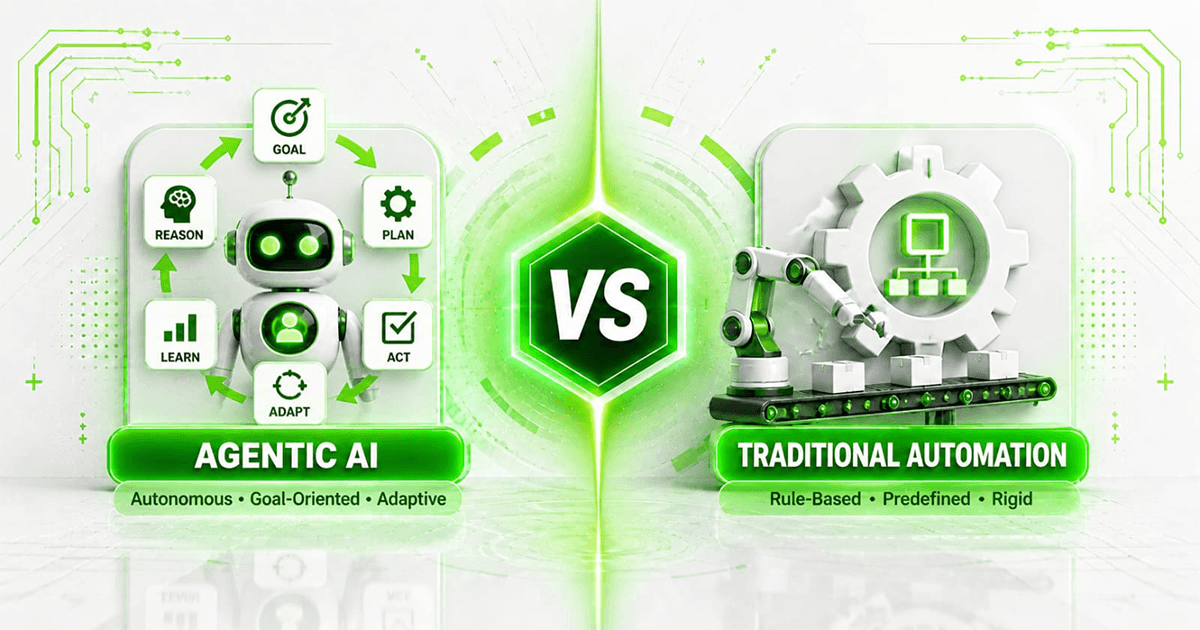
An AI agent can potentially work across several steps.
Imagine a buyer's agency receives a new enquiry.
A controlled agent could:
- interpret the enquiry;
- create or locate the CRM contact;
- identify missing qualification information;
- send or prepare approved follow-up questions;
- update the buyer profile;
- create the appropriate task; and
- notify the responsible team member.
Later, a separate workflow could help organise property research for that client.
This is where AI agents in Australia become more relevant than a standalone chatbot.
The AI is no longer only generating content.
It is participating in an operational process.
Where an AI Buyers Agent Becomes Risky
Buying property involves substantial amounts of money.
That makes confident mistakes expensive.
AI becomes risky when buyers start treating generated outputs as verified professional conclusions.
Property Value
An AI model can analyse information it is given.
That does not mean its generated property valuation should be treated as an independent professional valuation.
Building Condition
AI can organise inspection information.
It cannot replace an appropriate building inspection simply because photographs were uploaded to a model.
Legal Documents
AI can help navigate or summarise documents.
It should not be treated as a replacement for appropriate legal advice.
Financial Decisions
A model can organise information about costs.
Individual borrowing, taxation and investment decisions may require appropriate qualified advice.
Negotiation
AI can help organise comparable information or prepare a negotiation brief.
Actual negotiation contains human behaviour, incomplete information and strategic judgement that is difficult to reduce to a prompt.
The system should help people make better-informed decisions.
It should not create false certainty.
AI Does Not Know What a Property Feels Like
Property is physical.
That sounds obvious, but it matters when discussing AI.
A listing can show a beautiful living room.
An inspection may reveal that it is dark at 2 pm.
A map can show a road.
Standing in the backyard may reveal how much traffic can be heard.
A floor plan can show a bedroom.
Walking into it may make clear that the buyer's furniture will not work.
A dataset can describe a suburb.
A buyer may simply dislike being there.
Not every important property variable exists in structured data.
This is one reason human inspections remain valuable.
What About Off-Market Properties?
"Off-market access" is sometimes discussed as though AI can simply discover every property that is not publicly listed.
That is unrealistic.
AI can help a professional buyers agent organise relationships, records and potential opportunities.
But information that is not available to a system cannot be magically retrieved by a model.
Human networks remain important.
Selling agents may contact buyers advocates because of previous relationships and knowledge of their active clients.
AI can help the buyer's agency maintain that information.
It does not automatically recreate the relationship itself.
Can AI Predict Which Property Will Increase Most?
Be careful with this claim.
Property markets are influenced by:
- interest rates;
- credit conditions;
- supply;
- population changes;
- employment;
- infrastructure;
- planning;
- construction;
- buyer behaviour; and
- broader economic conditions.
Historical data can be analysed.
Scenarios can be modelled.
That is different from knowing which individual property will produce the strongest future return.
An AI system that produces a precise future growth percentage may look sophisticated.
Precision is not the same as certainty.
Buyers should understand the assumptions and data behind any forecast rather than treating an AI-generated number as guaranteed.
Privacy Matters for Buyer Profiles
A serious buyer profile can contain more personal information than it first appears.
Potential information includes:
- name;
- contact details;
- preferred locations;
- household requirements;
- budget;
- buying timeline;
- property ownership information;
- financial information voluntarily provided;
- family requirements; and
- conversation history.
A professional buyers agency integrating AI with its CRM should understand where that information is being processed and stored.
Australian businesses should consider applicable privacy obligations and relevant guidance from the Office of the Australian Information Commissioner.
Before deploying an AI property workflow, ask:
- What buyer information does the system need?
- Which AI providers receive it?
- Can sensitive information be excluded?
- Where is information stored?
- How long is it retained?
- Who can access it?
- Which systems can the AI modify?
- Are important actions logged?
- Can access be revoked?
- What happens to data when a client relationship ends?
The agent should receive the minimum access required for the task.
How Much Does an AI Buyers Agent Cost?
The answer depends on what "AI buyers agent" means.
A consumer property-search tool may use a subscription model.
A custom system for a professional buyers agency is different.
It may connect:
website → CRM → buyer profile → property information → documents → email → tasks → reporting
Custom implementation costs depend on:
- integrations;
- data sources;
- workflow complexity;
- number of users;
- AI usage;
- document processing;
- security;
- testing;
- hosting;
- monitoring; and
- support.
The relevant commercial question for a buyers agency is not simply:
"How much does AI cost?"
It is:
"How much professional time are we currently spending on work that does not require professional judgement?"
That gives you something measurable.
A Simple ROI Example for a Buyers Agency
Suppose four buyers agents each spend five hours per week on repetitive research organisation, CRM administration, summaries and routine client-update preparation.
That is 20 hours per week.
Assume a new workflow reduces that workload by 40%.
That would recover eight hours per week.
Over 48 working weeks, that is:
384 hours of capacity per year.
That does not automatically mean 384 hours of cost savings.
Recovered time only becomes valuable if the business uses it well.
It might allow agents to:
- handle more clients;
- conduct more inspections;
- spend more time on research;
- strengthen selling-agent relationships; or
- improve client communication.
That is why ROI should be measured in business outcomes, not simply "hours automated".
How to Build an AI System for a Buyers Agency
Step 1: Map the Buyer Journey
Start from enquiry and continue through:
lead → consultation → engagement → buyer brief → search → shortlist → inspection → due diligence → negotiation → purchase
Identify where information is repeatedly moved or reformatted.
Step 2: Identify Administrative Bottlenecks
Ask the team:
What work takes time but does not require your property expertise?
Those answers are usually stronger automation candidates than the high-value professional work.
Step 3: Separate AI From Automation
Use AI where language or documents require interpretation.
Use ordinary software where the rule is known.
For example:
AI: interpret a client's email.
Automation: update a defined CRM field.
AI: summarise inspection notes.
Automation: create the follow-up task.
This separation improves reliability.
Step 4: Establish Sources of Truth
Decide which systems control:
- buyer details;
- property information;
- tasks;
- appointments;
- documents; and
- client communications.
Do not allow AI-generated information to silently replace verified data.
Step 5: Define Human Approval
Decide which actions the system may perform automatically.
A CRM note might be low risk.
Sending an important recommendation to a client is different.
Step 6: Test Messy Cases
Try:
- conflicting buyer requirements;
- incomplete listings;
- properties with similar addresses;
- changed budgets;
- duplicate contacts;
- missing documents;
- buyers changing their brief;
- properties leaving the market; and
- information the AI cannot verify.
The correct response is sometimes:
I don't have enough verified information.
That is a feature.
Frequently Asked Questions
What is an AI buyers agent?
An AI buyers agent is software that uses artificial intelligence to assist with parts of the property-buying process, such as interpreting buyer requirements, organising property research, comparing listings and managing information.
Can AI find properties for me?
AI can help search and organise property information that it is legitimately able to access. The quality of the results depends on available data, integrations and the buyer brief.
Can AI replace a human buyers agent?
AI can automate or assist with many information-processing tasks, but professional buyer advocacy can involve physical inspections, negotiation, relationships, judgement and accountability. AI is better viewed as a tool that can support those activities.
Can an AI buyers agent find off-market properties?
Only if the system has legitimate access to relevant information. AI cannot retrieve information that has not been made available to it. Human relationships and professional networks can therefore remain important for off-market opportunities.
Can AI tell me what a property is worth?
AI can analyse property information and data provided to it, but an AI-generated estimate should not automatically be treated as a professional valuation or a guarantee of market value.
Can AI analyse a property contract?
AI can help extract and summarise information from documents, but significant legal documents should be reviewed with appropriate professional advice rather than relying solely on generated summaries.
Can buyers agents use AI?
Yes. Professional buyers agents can use AI for lead intake, CRM administration, property research organisation, inspection-note summaries, document workflows and routine client-update preparation.
Is AI useful for property investors?
AI can help organise research, compare properties and analyse supplied data. Investment decisions still require careful consideration of data quality, assumptions, individual circumstances and relevant professional advice.
Is an AI buyers agent safe?
That depends on how it is designed and used. Users should distinguish verified information from AI-generated interpretation and avoid treating generated outputs as guaranteed financial, legal or property conclusions.
The Future of AI in Property Buying Is Probably Less Dramatic Than It Sounds
The future buyer may not hand A$1.5 million to an autonomous AI agent and tell it:
"Go buy me a house."
There is a more practical future already taking shape.
AI remembers the buyer brief.
It watches the repetitive information.
It organises potential properties.
It turns messy notes into useful records.
It highlights unanswered questions.
It keeps the CRM current.
It prepares routine updates.
And when a decision requires local knowledge, physical inspection, negotiation, professional expertise or human judgement, a person takes over.
That is a far more useful division of work.
For professional buyers agencies, the opportunity is not necessarily replacing the buyers agent.
It is removing enough administration that the buyers agent can spend more time being one.
If your property business has repetitive research, CRM or client-management workflows, contact Mintodes to map the process and identify where AI or conventional automation can remove unnecessary work without removing the human judgement your clients are paying for.