Property management involves much more than collecting rent and arranging inspections. Property managers handle tenant enquiries, maintenance requests, lease documents, contractor communication, payment records and regular follow-ups. When these tasks are managed manually, even a small property portfolio can create a significant administrative workload.
This is where AI automation for property management can make a difference.
Australian property management businesses can use AI-powered systems and workflow automation to reduce repetitive work, organise information and improve communication between tenants, property managers and contractors.
Instead of replacing property managers, automation gives them more time to focus on tenant relationships, property owners and important business decisions.
In this guide, we explore seven practical ways property management agencies can use AI automation to improve their daily operations.
Why Australian Property Managers Need Automation
Many property management agencies still depend on emails, spreadsheets and disconnected software to manage everyday operations.
A maintenance request might arrive through email, tenant information might be stored in a property management platform, and contractor updates might be shared through phone calls.
This creates unnecessary manual work.
According to the 2026 Yardi and Property Council of Australia technology survey, 55% of Australian property organisations are implementing or operating AI systems. However, only 18% report having stable and growing AI capabilities.
This highlights an opportunity for businesses to move beyond experimenting with AI and focus on practical systems that solve operational problems.
Automation can help agencies:
- Reduce repetitive administrative tasks.
- Respond to tenant enquiries faster.
- Organise maintenance requests.
- Improve document management.
- Reduce manual data entry.
- Keep property records updated.
- Improve communication with property owners.
7 Ways to Use AI Automation in Property Management
1. Automated Tenant Enquiry Management
Property managers receive enquiries throughout the day. These may include questions about available properties, inspection schedules, rental applications and tenancy requirements.
Managing every enquiry manually can slow down response times.
AI-powered enquiry management systems can read incoming messages, identify what the tenant needs and direct the enquiry to the appropriate team.
For example:
- A tenant asking about inspection times can receive relevant scheduling information.
- A maintenance enquiry can be directed to the maintenance team.
- A rental application question can receive an appropriate response.
- An urgent enquiry can be escalated to a staff member.
The system can also categorise enquiries and maintain a record of conversations.
This helps property managers handle incoming communication without constantly switching between emails and other applications.
2. Maintenance Request Automation
Maintenance management is one of the most time-consuming responsibilities for property management agencies.
Tenants report issues such as plumbing problems, electrical faults, broken appliances and property damage.
Without a structured system, requests can get lost between emails and phone calls.
AI automation can improve this process by:
- Collecting maintenance requests through a central channel.
- Extracting important details from tenant messages.
- Categorising the reported issue.
- Sending requests to the appropriate staff member.
- Notifying contractors when human approval is provided.
- Tracking the progress of maintenance requests.
- Sending status updates to relevant people.
For example, when a tenant reports a leaking tap, an automated workflow can identify the request as plumbing maintenance, record the property details and notify the maintenance coordinator.
Urgent or potentially dangerous issues should always be escalated for prompt human assessment rather than left to an automated system.
3. Automated Lease and Document Processing
Property management agencies deal with a large number of documents, including lease agreements, inspection reports, invoices, applications and property records.
Finding information in these documents manually takes time.
AI-powered document processing can extract relevant information from PDFs, scanned documents and digital forms.
For example, an automated document workflow can:
- Extract tenant names and property addresses.
- Identify important dates.
- Read invoice details.
- Organise documents into relevant categories.
- Identify missing information.
- Send documents for human review.
This reduces repetitive data entry and makes document management more organised.
However, sensitive legal documents and important tenancy decisions should still be reviewed by authorised staff.
4. Automated Rent and Payment Follow-Ups
Keeping track of rental payments and outstanding amounts requires regular monitoring.
Property managers often spend time checking payment records and following up on overdue amounts.
Automation can help by connecting accounting software, payment records and internal management systems.
A properly configured workflow can:
- Monitor payment status.
- Identify records that require attention.
- Notify the responsible property manager.
- Prepare payment summaries.
- Generate internal reminders.
- Keep relevant financial records organised.
AI can also help summarise payment information and identify unusual patterns for staff review.
It is important to ensure that automated reminders follow applicable tenancy requirements and that any sensitive financial decisions remain under human supervision.
5. Automated Inspection Reports
Property inspections generate valuable information about property conditions.
However, organising inspection notes, photographs and reports can take considerable time.
AI tools can assist with converting inspection notes into structured reports.
For example, a property manager can provide inspection observations, and an AI-powered system can organise them into sections such as:
- General property condition.
- Maintenance requirements.
- Cleaning observations.
- Items requiring further inspection.
- Recommended follow-up actions.
The system can then prepare a draft report for the property manager to review.
This makes reporting more consistent and reduces the amount of manual formatting required.
AI should not independently determine legal compliance or make unsupported conclusions about property conditions.
6. Contractor and Vendor Coordination
Property management agencies regularly work with plumbers, electricians, cleaners, maintenance teams and other service providers.
Coordinating these contractors manually can create communication delays.
Workflow automation can connect contractor requests, internal approvals and maintenance records.
For example:
- A maintenance request is received.
- The system records the property and issue details.
- A property manager reviews the request.
- The approved request is forwarded to the appropriate contractor.
- Contractor updates are recorded.
- The property manager receives a completion notification.
This creates a more organised process and helps agencies track maintenance activities.
7. Automated Communication and Follow-Ups
Property managers regularly communicate with tenants, landlords and contractors.
Important messages can sometimes be delayed or forgotten when teams handle large numbers of properties.
AI automation can help manage routine communication by preparing responses, generating summaries and creating follow-up reminders.
Common examples include:
- Inspection reminders.
- Maintenance status updates.
- Document requests.
- Contractor follow-ups.
- Routine owner updates.
- Internal task notifications.
For commercial email and SMS communications, Australian businesses must also consider applicable consent and unsubscribe requirements under the Spam Act 2003.
Automation should make communication more organised without removing the personal attention tenants and property owners need.
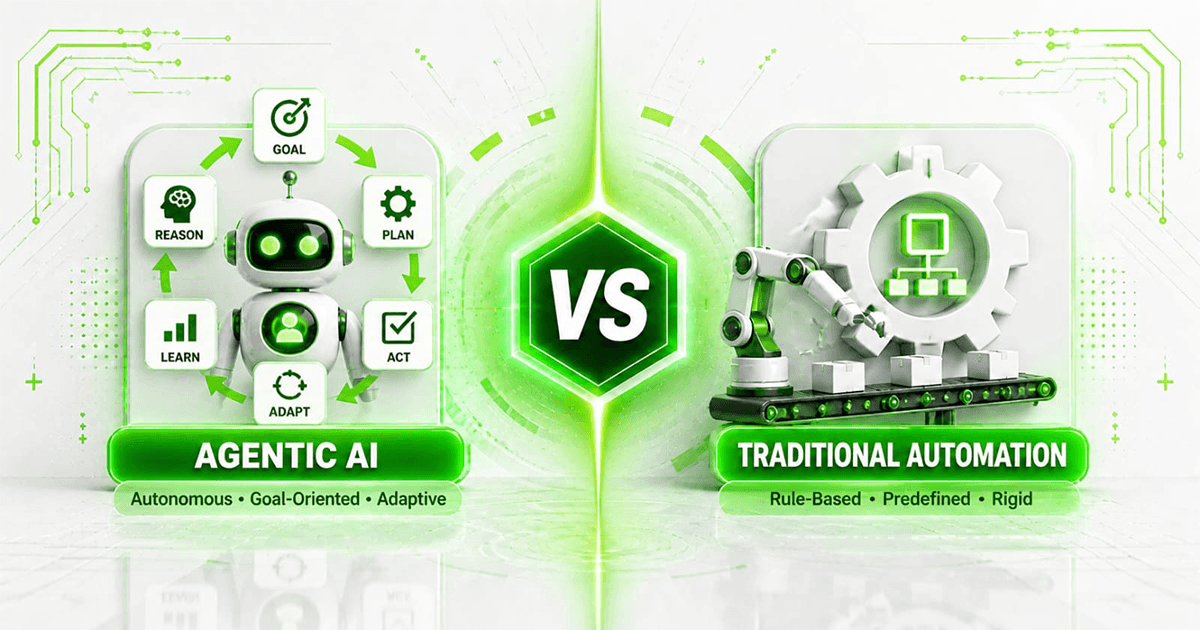
AI Automation vs Traditional Property Management Software
Traditional property management software is useful for storing records, managing payments and organising property information.
However, it may not automatically connect every task across different business applications.
AI automation adds another layer by helping systems understand incoming information, organise requests and coordinate workflows.
| Traditional Software | AI Automation |
|---|---|
| Stores property records | Extracts information from documents |
| Records maintenance requests | Categorises and routes requests |
| Tracks payment information | Identifies records requiring attention |
| Stores communication history | Summarises conversations |
| Manages inspection records | Helps prepare inspection reports |
The two approaches can work together. Agencies do not necessarily need to replace their existing property management software to benefit from automation.
What Should Property Management Agencies Automate First?
Not every business process needs AI.
The best approach is to identify tasks that consume significant staff time and follow a repeatable process.
Property management agencies can start by evaluating:
- Maintenance management: How many requests are received each week, and how much time is spent processing them?
- Tenant communication: Which enquiries are repetitive and suitable for automated responses?
- Document processing: How frequently does the team manually extract information from documents?
- Payment administration: Which payment monitoring and reporting activities require unnecessary manual work?
- Inspection reporting: How much time is spent organising notes and preparing reports?
Starting with one high-impact workflow makes it easier to measure improvements before expanding automation across the business.
Privacy and Security Considerations in Australia
Property management businesses handle personal information, including tenant contact details, rental applications, identification documents and financial records.
Therefore, privacy and data security must be considered when introducing AI automation.
Agencies should:
- Limit access to sensitive information.
- Use secure integrations.
- Collect only information required for legitimate business purposes.
- Establish appropriate data retention policies.
- Review third-party AI providers.
- Keep human approval for sensitive decisions.
Businesses subject to the Australian Privacy Principles should review the guidance published by the Office of the Australian Information Commissioner.
Reference: Australian Privacy Principles – OAIC
Choosing the right automation architecture is just as important as choosing the AI technology itself.
How Mintodes Helps Businesses Implement AI Automation
At Mintodes, we help Australian businesses build practical AI automation systems that connect existing applications and reduce repetitive operational work.
Our approach focuses on understanding how a business currently operates before recommending technology.
Depending on the requirements, an automation solution may include:
- AI-powered workflow automation.
- Document processing systems.
- AI agent development.
- CRM and sales automation.
- Custom software integrations.
We focus on building systems that can operate reliably in real business environments, with appropriate validation, monitoring and human approval.
You can explore our AI automation services to understand how different automation solutions can support business operations.
You can also learn more about our AI agent development services.
Final Thoughts
AI automation for property management is not simply about introducing new technology. It is about making everyday business operations more efficient.
From handling tenant enquiries and maintenance requests to processing documents and coordinating contractors, automation can reduce repetitive administrative work and help property managers focus on more valuable responsibilities.
The best starting point is to identify one process that regularly consumes staff time and build a reliable solution around it.
As Australian property businesses continue adopting AI, agencies that focus on practical implementation, data security and measurable operational improvements will be better positioned to manage their growing workloads.
If your property management business is looking to reduce manual work and improve operational efficiency, Mintodes can help you identify the right automation opportunities and build a solution around your existing systems.