Robotic Process Automation had a good run. For a decade, RPA tools promised to automate repetitive tasks by mimicking human clicks and keystrokes. And they delivered — for the happy path. The moment an exception appeared, a form changed, or a workflow deviated from the script, everything broke.
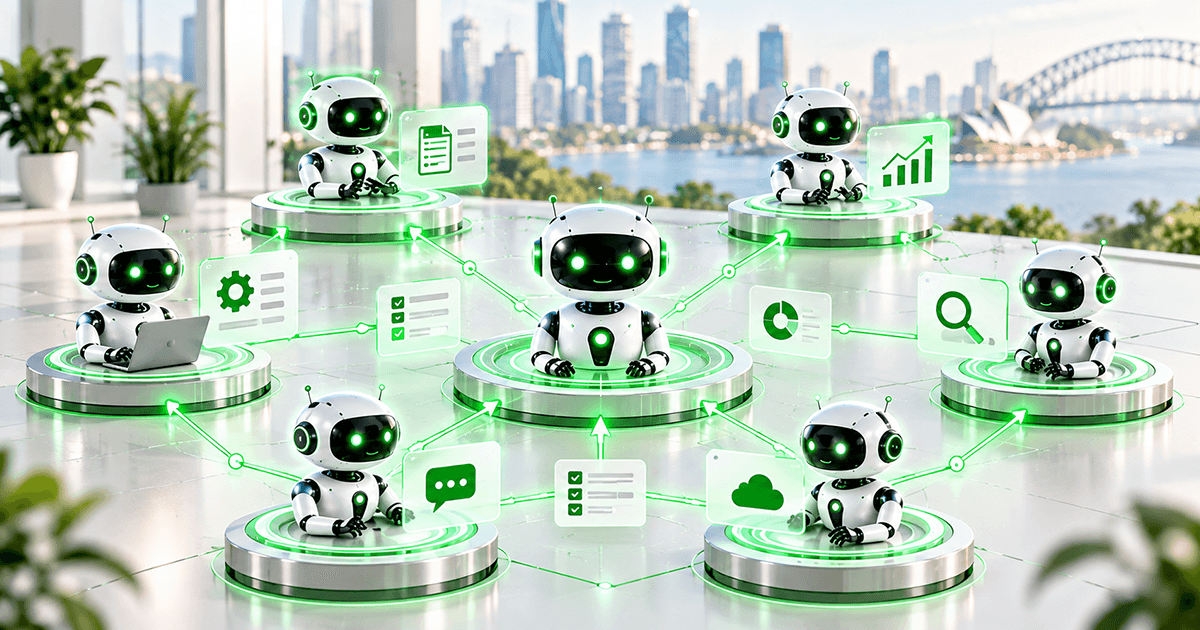
Agentic AI fundamentally changes this equation. Instead of brittle scripts that follow predetermined paths, AI agents understand context, reason about objectives, and adapt when conditions change. They don't just execute — they decide.
The Core Difference
Traditional RPA is imperative: do this, then this, then this. Agentic AI is declarative: achieve this outcome. The agent figures out the steps, handles exceptions, and even modifies its approach based on what it learns.
| Area | Traditional RPA | Agentic AI |
|---|---|---|
| Operating model | Follows predefined steps and rules | Works toward an objective and determines the next step |
| Exceptions | Often requires a predefined exception path | Can evaluate context and choose an alternative path |
| Workflow changes | Scripts may need updating when screens or processes change | Can adapt its approach within defined tools and guardrails |
| Decision-making | Executes programmed instructions | Can reason between available actions before proceeding |
| Human involvement | Humans usually handle exceptions outside the scripted flow | Can escalate uncertain or high-risk cases for human review |
At Mintodes, we've replaced RPA workflows with agentic systems that handle 10× more edge cases while requiring 70% less maintenance. The key is designing agents with clear goal hierarchies, fallback strategies, and human escalation paths for truly novel situations.
When to Make the Switch
If your RPA bots break more than once a week, if you're spending engineering time maintaining automation scripts, or if your processes have more exceptions than rules — you're ready for agentic AI. The ROI typically shows within the first month.
The migration doesn't have to be all-or-nothing. We typically start by identifying the three highest-maintenance RPA workflows and rebuilding them as AI agents. Once the team sees the difference in reliability and adaptability, the rest follows naturally.